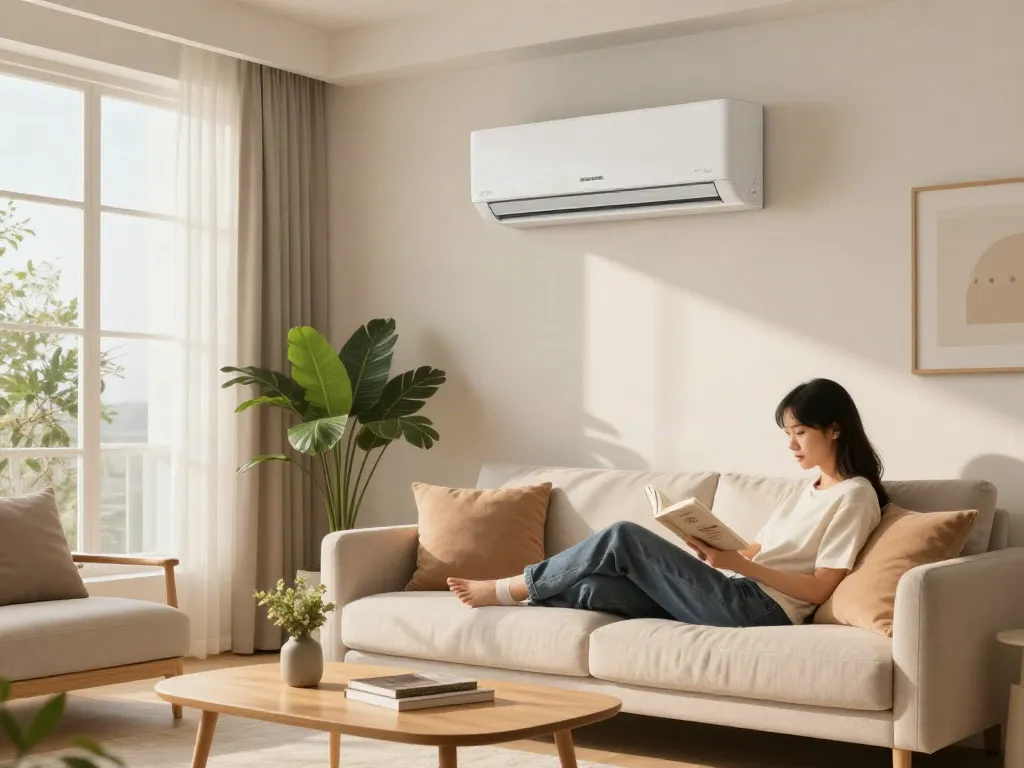
Understanding Mini Split Air Conditioners
In the realm of modern HVAC solutions, the mini split air conditioner has gained considerable traction due to its efficiency, flexibility, and compact design. As temperatures rise and energy costs soar, homeowners are increasingly turning to this innovative technology to ensure comfort in their living spaces. Unlike traditional HVAC systems, mini splits offer a ductless solution that can effectively cool or heat individual rooms, making them ideal for a variety of residential and commercial applications.
What is a mini split air conditioner?
A mini split air conditioner, often referred to as a ductless HVAC system, consists of two main components: an outdoor compressor unit and one or more indoor air-handling units. This design allows for energy-efficient heating and cooling without the need for ductwork, making them an excellent choice for homes lacking existing duct systems or for spaces that require supplemental heating and cooling. Their versatility makes them suitable for apartments, smaller homes, or even specific zones within larger properties.
How do mini split systems work?
Mini split systems operate using a refrigeration cycle to transfer heat between the indoor and outdoor units. The outdoor unit absorbs heat from the outside air and transfers it to the refrigerant, which is then sent to the indoor unit where it is released to cool or heat the air within the room. This process allows mini splits to maintain consistent temperatures efficiently, providing comfort while consuming less energy compared to conventional systems.
Benefits of choosing a mini split air conditioner
- Energy Efficiency: Mini split systems are renowned for their high SEER (Seasonal Energy Efficiency Ratio) ratings, often exceeding those of traditional systems. This translates to lower energy bills and a reduced carbon footprint.
- Flexibility in Installation: The absence of ducts simplifies installation, allowing for more flexible placement of units within the home.
- Individual Room Control: With the ability to control the temperature in separate rooms, mini splits offer customized comfort throughout your living space.
- Quiet Operation: Many mini split systems operate at a whisper-quiet level, ensuring that your home remains peaceful while maintaining optimal temperatures.
- Improved Air Quality: Ductless systems eliminate dust and allergens often accumulated in ducts, contributing to better indoor air quality.
Installation Best Practices for Mini Split Systems
Essential steps for proper installation
Proper installation is crucial for the performance of mini split air conditioners. Here are key steps to ensure a successful setup:
- Choose the Right Location: Install the indoor units in areas where cooling or heating is most needed, typically in high-traffic areas.
- Ensure Adequate Space: Maintain sufficient space around the outdoor unit for airflow and maintenance access.
- Follow Manufacturer Guidelines: Always adhere to the specific guidelines provided by the manufacturer for installation and setup.
- Use Proper Tools: Employ specialized tools and equipment for accurate installation, including refrigerant gauges and vacuum pumps.
- Test the System: After installation, conduct a thorough test of the system to ensure all components are functioning properly.
Common installation mistakes to avoid
Avoiding common pitfalls during installation can save time and costs. Some mistakes to watch out for include:
- Improper sizing of the outdoor and indoor units, leading to inefficiency.
- Neglecting to check for refrigerant leaks post-installation, which can significantly impact performance.
- Failing to secure all electrical connections properly, which can lead to safety hazards.
- Overlooking the importance of insulation for refrigerant lines, which can cause thermal loss.
The importance of professional installation
While DIY installations may appear cost-effective, hiring a professional ensures the job is done correctly. Professionals can provide valuable insights into the best system for your needs, ensure compliance with regulations, and carry out installations that enhance performance and longevity. Furthermore, many manufacturers require professional installation to maintain warranty coverage.
Mini Split Air Conditioner Maintenance Techniques
Routine upkeep for optimal performance
Maintaining a mini split air conditioner is essential to ensure efficient performance and extend its lifespan. Regular maintenance tasks include:
- Cleaning Filters: Check and clean or replace filters every month during peak usage seasons to maintain airflow and efficiency.
- Inspecting the Outdoor Unit: Keep the outdoor unit free of debris, such as leaves and dirt, to ensure unobstructed airflow.
- Checking Refrigerant Levels: Ensure proper refrigerant levels to maintain efficiency and avoid system strain.
- Scheduled Professional Maintenance: Have a certified technician inspect the system at least once a year for optimal performance.
How to troubleshoot common issues
Common issues might arise during the operation of your mini split system. Here are some troubleshooting tips:
- Insufficient Cooling or Heating: Check for dirty filters or closed vents, and ensure the outdoor unit is clear of obstructions.
- Unusual Noises: Examine the indoor and outdoor units for loose parts or debris that may cause rattling sounds.
- Increased Energy Bills: This may indicate a need for routine maintenance or a drop in refrigerant levels, necessitating professional assessment.
When to call a professional for repairs
If troubleshooting does not resolve the issue, or if you notice problems like refrigerant leaks or electrical issues, it’s essential to contact a professional. Timely intervention can prevent minor issues from escalating into costly repairs.
Mini Split Air Conditioner Efficiency and Cost-Effectiveness
Energy efficiency ratings explained
Understanding SEER ratings can help homeowners select an efficient mini split air conditioner. Systems with higher SEER ratings indicate greater energy efficiency, resulting in lower operational costs. For example, systems with a SEER rating of 20 can be significantly more efficient than those rated at 13, leading to substantial savings over time.
Cost comparison with traditional HVAC systems
While mini split air conditioners may have a higher upfront cost compared to traditional HVAC systems, their energy efficiency often results in lower operating costs, which can recoup the initial investment. Additionally, the absence of ductwork reduces installation costs in homes without existing ducts.
Long-term savings and return on investment
Investing in a mini split air conditioner can lead to long-term savings through reduced energy bills and lower maintenance costs. Many homeowners find that these systems pay for themselves within a few years due to enhanced efficiency and reduced energy consumption, making them a wise investment for any property.
Future Trends in Mini Split Air Conditioning Technology
Innovations to expect in 2026 and beyond
As technology evolves, so do mini split air conditioners. Future innovations may include advanced smart technology that allows for remote temperature control via smartphones, as well as improved energy efficiency ratings driven by evolving environmental standards.
Smart features and home automation integration
Integration with home automation systems is becoming increasingly common. Many new mini splits offer compatibility with smart thermostats and home assistants, providing users with enhanced control over their HVAC systems, and allowing for energy-saving programming.
Environmental impact and energy standards
As environmental awareness grows, manufacturers are developing mini split systems that comply with stricter energy standards. These advancements not only improve efficiency but also reduce greenhouse gas emissions, contributing to a more eco-friendly solution for heating and cooling needs.
What are the best mini split air conditioners in 2026?
With numerous brands and models available, choosing the best mini split air conditioner in 2026 will depend on efficiency ratings, features, capacity, and customer reviews. Brands like Daikin, Fujitsu, and LG are often featured on "best of" lists due to their reliability and performance.
How do I choose the right mini split system for my home?
Selecting the right system involves considering factors such as room size, insulation levels, climate, and personal preferences. Consulting with HVAC professionals can help identify the best size and type of system for your needs.
What is the average installation cost for mini split systems?
The average installation cost for mini split systems can vary widely based on the size of the unit, labor costs, and any additional work required. Typically, homeowners can expect to pay between $2,000 to $5,000 for a complete installation.
Do mini split air conditioners require special maintenance?
While mini splits do not require extensive maintenance, they do benefit from regular upkeep, including filter cleaning, seasonal inspections, and ensuring that outdoor units are free from debris. Following these steps can help maintain operational efficiency.
What are the pros and cons of mini split air conditioners?
Understanding the pros and cons of mini split air conditioners can aid in decision-making:
- Pros: Flexible installation, energy efficiency, individual room control, and improved air quality.
- Cons: Higher initial costs, aesthetic considerations due to visible indoor units, and the requirement for professional installation.