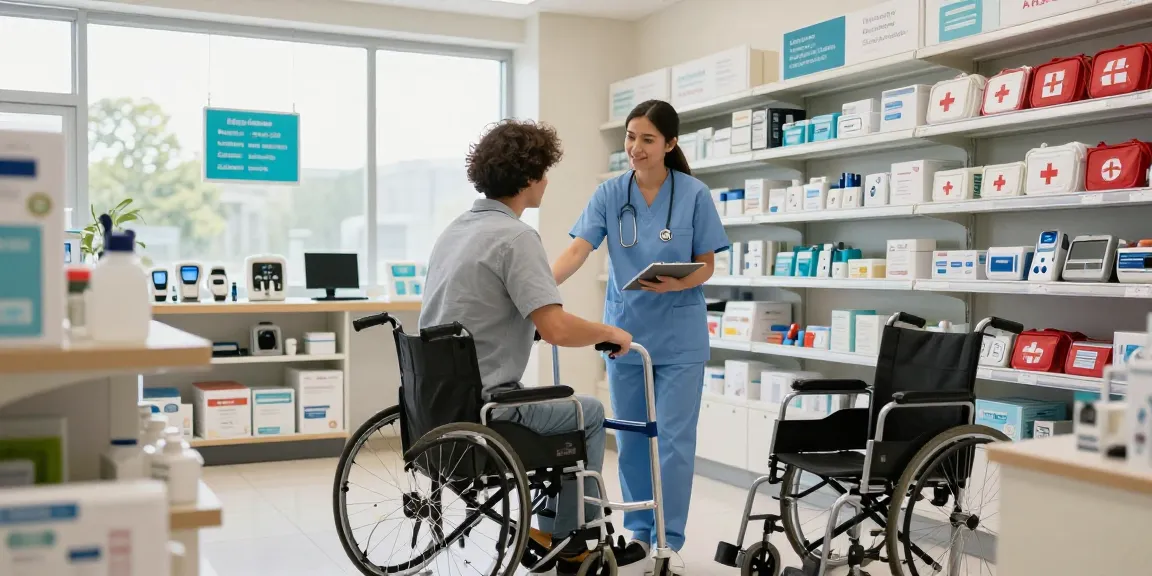
The Importance of a Well-Stocked Medical Equipment Store
In the ever-evolving landscape of healthcare, the role of a well-stocked medical equipment store extends far beyond mere sales. These establishments serve as vital resources for healthcare providers and patients alike, ensuring access to essential tools and technologies that facilitate effective treatment and recovery. A comprehensive inventory not only meets the immediate needs of patients but also supports healthcare professionals in delivering high-quality care.
Understanding Patient Needs in Medical Equipment
Understanding the diverse needs of patients is crucial for any medical equipment store. Each individual may require specific equipment tailored to their unique medical conditions. For example, patients recovering from surgery may need mobility aids, while those managing chronic illnesses might require diagnostic tools. By accurately identifying these needs, medical equipment stores can better serve their clientele and improve overall patient outcomes.
Common Challenges Faced in Medical Supply Availability
The medical equipment supply chain faces several challenges, including fluctuating demand, regulatory compliance, and the need for rapid technological advancements. Healthcare facilities often encounter issues such as stock shortages or outdated equipment, which can hinder patient care. Additionally, the global nature of medical supply chains can lead to delays and inconsistencies, emphasizing the importance of well-stocked stores that can adapt to changing circumstances.
How Quality Equipment Impacts Patient Recovery
The quality of medical equipment directly affects patient recovery and overall health outcomes. High-quality tools not only facilitate accurate diagnoses but also enable effective treatment plans. For instance, advanced mobility aids can significantly enhance a patient’s ability to regain independence post-surgery. Investing in high-quality equipment is not just a financial decision; it is a commitment to patient welfare and long-term health improvement.
Key Categories of Medical Equipment Available
Mobility Aids: Essential Tools for Independence
Mobility aids encompass a broad range of devices designed to assist individuals with movement issues. From wheelchairs and walkers to canes and crutches, these tools are essential for those recovering from surgeries or dealing with chronic conditions. Selecting the right mobility aid is critical; factors such as weight capacity, ease of use, and portability must be considered to ensure the individual achieves maximum independence and comfort.
Diagnostic Tools: Enhancing Accurate Health Assessments
Diagnostic tools such as blood pressure monitors, glucose meters, and imaging devices play a pivotal role in healthcare. These instruments allow healthcare professionals to conduct thorough assessments, leading to timely and accurate diagnoses. With advancements in technology, many diagnostic tools are becoming more user-friendly, enabling patients to monitor their health at home and providing valuable data for healthcare providers.
Rehabilitation Equipment: Supporting Post-Operative Care
Rehabilitation equipment is critical for patients undergoing physical therapy or post-operative recovery. Devices such as resistance bands, exercise balls, and specialized machines aid in regaining strength and mobility. These tools are designed to support both physical and mental health, empowering patients to take an active role in their recovery process.
Choosing the Right Medical Equipment for Your Needs
Consultation Tips for Selecting Equipment
Choosing the right medical equipment can seem daunting, but there are several strategies to simplify the process. Consulting with healthcare professionals is essential; they can provide insights based on medical history and specific needs. It’s also beneficial to read reviews and seek recommendations from other users to gauge the effectiveness and reliability of various products.
Evaluating Equipment Quality and Safety Standards
Equipment quality and safety are paramount in the healthcare sector. Medical equipment stores should provide detailed information about safety standards and certifications for each product. Understanding these standards helps patients and providers make informed choices, ensuring that the equipment not only meets their needs but also adheres to regulatory requirements.
Understanding Insurance and Coverage Options
Navigating insurance and coverage options can be complex, but it is a crucial step in the equipment selection process. Many medical equipment stores offer assistance in understanding what types of equipment are covered by insurance plans. This information can help patients avoid unexpected costs and ensure they receive the necessary equipment for their care.
Future Trends in Medical Equipment Supply
Emerging Technologies in Medical Equipment
The future of medical equipment is closely tied to innovations in technology. Emerging trends such as telemedicine, remote patient monitoring, and artificial intelligence are transforming how medical equipment is utilized. These technologies not only enhance the efficiency of healthcare delivery but also improve patient engagement and adherence to treatment plans.
Sustainability in Medical Supplies and Equipment
As the global community becomes increasingly aware of environmental issues, sustainability in medical supplies is gaining importance. Manufacturers and suppliers are beginning to prioritize eco-friendly materials and practices, which can significantly reduce the environmental footprint of medical equipment. This trend not only promotes corporate responsibility but also aligns with the growing consumer demand for sustainable products.
Consumer Preferences Shaping the Market in 2026
By 2026, consumer preferences will continue to shape the landscape of medical equipment supply. Factors such as convenience, accessibility, and technological integration will drive purchasing decisions. Companies that can adapt to these preferences by offering user-friendly, high-quality products will likely thrive in an increasingly competitive market.
FAQs About Medical Equipment Stores
What types of medical equipment are typically available?
Medical equipment stores typically offer a wide variety of products, including mobility aids, diagnostic tools, surgical instruments, rehabilitation equipment, and home care supplies. Each category serves specific needs, allowing healthcare providers and patients to find suitable solutions for their healthcare journeys.
How can I ensure I’m choosing the right equipment?
To ensure you’re choosing the right equipment, consult with healthcare professionals for recommendations, and conduct thorough research on available options. Reading user reviews and understanding product specifications can also help inform your decision.
What are the payment options at medical equipment stores?
Payment options at medical equipment stores vary by location, but most offer several methods, including cash, credit cards, insurance billing, and financing plans. It’s essential to inquire about these options before making a purchase.
Are there any rental options for medical equipment?
Many medical equipment stores offer rental options for patients who need equipment for a temporary period. Renting can be a cost-effective solution for those recovering from surgery or dealing with short-term health issues.
How do I maintain my medical equipment for longevity?
Proper maintenance of medical equipment is crucial for ensuring its longevity and effectiveness. Follow the manufacturer’s guidelines for cleaning and storage, regularly inspect the equipment for wear and tear, and replace parts as needed to maintain optimal performance.